 Insurance Guides
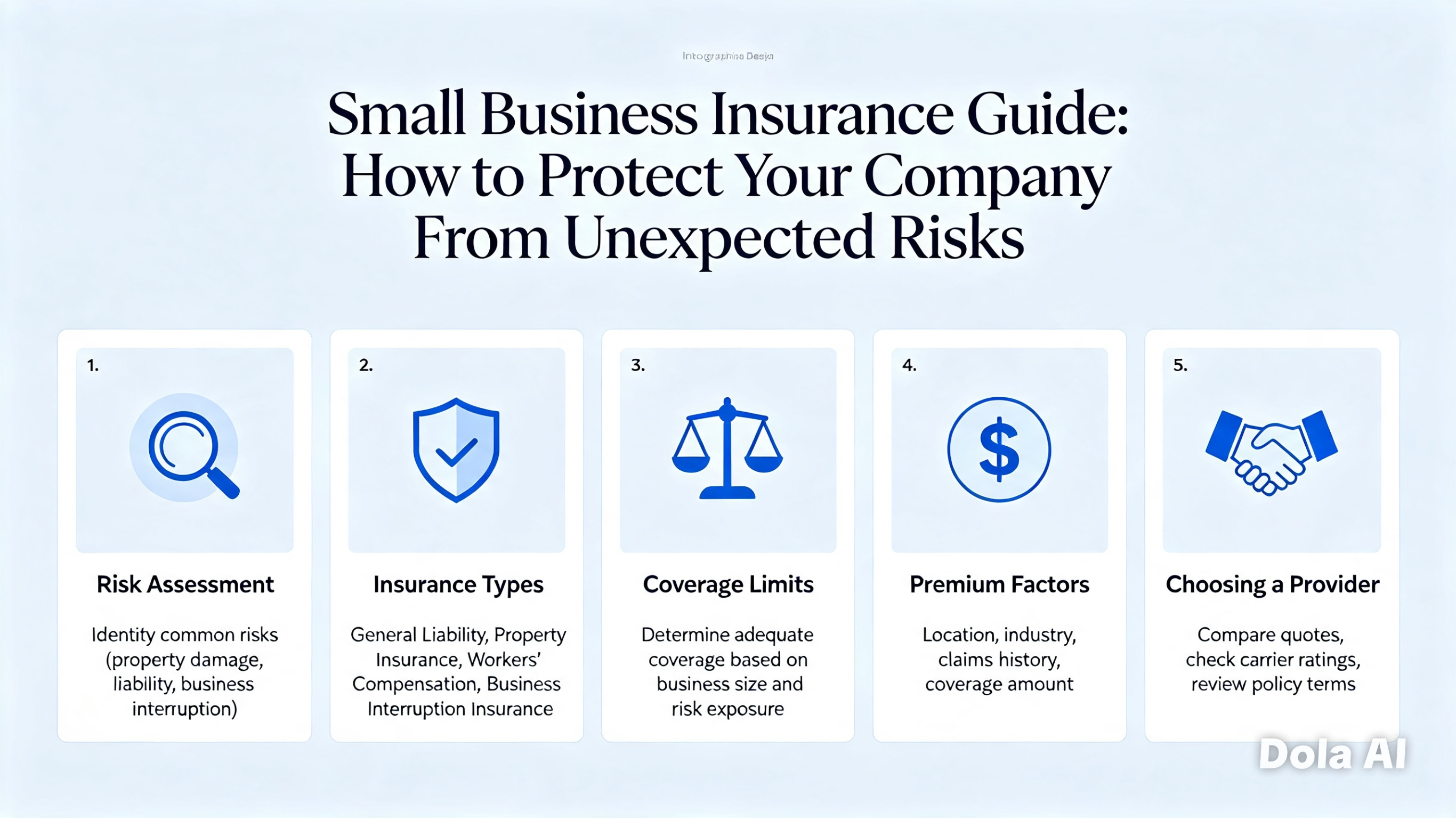
Small Business Insurance Guide: How to Protect Your Company From Unexpected Risks
Small businesses are the foundation of many economies, creating jobs, serving communities, and providing valuable products and services. However, running a small company also involves financial risks that can threaten years of hard work.
A customer accident, property damage, legal dispute, employee injury, or cyberattack can create unexpected expenses. For many small businesses, a single major event without proper protection could affect daily operations or even force the company to close.
Small business insurance helps entrepreneurs protect their investments, employees, customers, and future growth. Understanding the different types of coverage allows business owners to make smarter decisions and avoid costly mistakes.
This guide explains the basics of small business insurance, including coverage options, costs, benefits, and tips for choosing the right policy.
What Is Small Business Insurance?
Small business insurance is a collection of insurance policies designed to protect smaller companies from financial losses caused by unexpected events.
Instead of paying large expenses after an accident or disaster, businesses pay insurance premiums to receive financial protection from an insurance provider.
Small business insurance can cover:
- Business property
- Equipment
- Inventory
- Employees
- Customer claims
- Legal expenses
- Business vehicles
- Online risks
Every company has different risks, so insurance policies should be customized based on the business activities.
Why Small Businesses Need Insurance
Many entrepreneurs believe insurance is only necessary for large companies. However, small businesses often have fewer resources to recover after unexpected losses.
Common situations where insurance can help include:
- A customer gets injured at your location
- A fire damages your equipment
- A client files a lawsuit
- A company vehicle causes an accident
- A hacker steals customer information
- An employee suffers a workplace injury
Insurance provides financial support during difficult situations and helps businesses continue operating.
Essential Small Business Insurance Coverage
General Liability Insurance
General liability insurance is one of the most important policies for small businesses.
It protects against claims involving:
- Bodily injuries
- Property damage
- Advertising claims
- Legal defense costs
Example:
A customer enters your store, slips, and suffers an injury. Without insurance, your business may have to pay medical expenses and legal fees directly.
General liability coverage helps protect against these common risks.
Commercial Property Insurance
Commercial property insurance protects the physical assets of your company.
It may cover:
- Business buildings
- Office furniture
- Computers
- Machinery
- Inventory
- Tools
It helps businesses recover after events such as:
- Fire
- Theft
- Storm damage
- Vandalism
Businesses with physical locations often consider property insurance essential.
Business Owner's Policy (BOP)
A Business Owner's Policy is a popular insurance package for small companies.
It combines:
- General liability insurance
- Commercial property insurance
- Business interruption coverage
A BOP can provide broad protection at a lower price than buying individual policies separately.
It is commonly used by:
- Retail stores
- Restaurants
- Offices
- Small professional companies
Professional Liability Insurance
Professional liability insurance protects businesses that provide specialized knowledge or advice.
It is also called:
- Errors and omissions insurance
- Professional indemnity insurance
It covers claims related to:
- Professional mistakes
- Incorrect recommendations
- Failure to deliver services
- Client financial losses
Common users include:
- Consultants
- Accountants
- Designers
- IT professionals
- Marketing agencies
Workers' Compensation Insurance
If a small business has employees, workers' compensation insurance may be required depending on local laws.
It helps cover:
- Medical expenses
- Lost wages
- Rehabilitation costs
- Workplace injury benefits
This coverage protects both employees and business owners.
Cyber Insurance for Small Businesses
Small businesses are increasingly targeted by cybercriminals because they often have fewer security resources.
Cyber insurance can help protect against:
- Data breaches
- Ransomware attacks
- Hacking
- Customer information theft
- Cyber-related lawsuits
Businesses that use online payment systems or store customer data should consider this protection.
How Much Does Small Business Insurance Cost?
The cost of small business insurance depends on several factors.
Many small companies pay from a few hundred to several thousand dollars per year.
Insurance costs depend on:
- Business industry
- Number of employees
- Revenue
- Location
- Coverage limits
- Claims history
- Equipment value
Examples:
A freelance consultant may pay less because the risk is lower.
A restaurant or construction company may pay more because the potential claims are higher.
Factors That Affect Small Business Insurance Prices
Type of Business
Insurance companies evaluate the risks associated with each industry.
Higher-risk businesses usually have higher premiums.
Examples:
- Construction
- Manufacturing
- Transportation
- Healthcare
Business Location
Location affects pricing because insurers consider:
- Crime rates
- Weather risks
- Local regulations
- Property costs
Number of Employees
More employees generally mean greater exposure to workplace risks.
Coverage Limits
Higher limits provide more protection but increase insurance costs.
Businesses should choose limits based on their actual risks.
How to Choose Small Business Insurance
Selecting the right insurance requires careful planning.
Follow these steps:
Evaluate Your Risks
Identify possible problems your business could face.
Ask:
- Do customers visit my business?
- Do I own expensive equipment?
- Do I have employees?
- Do I provide professional advice?
- Do I store customer information?
Compare Insurance Companies
Request quotes from different insurers.
Compare:
- Coverage options
- Premium costs
- Deductibles
- Customer reviews
- Claims service
Avoid Underinsurance
Choosing minimal coverage may save money initially but can create serious financial problems after a major claim.
The goal is affordable protection, not the cheapest policy.
Ways to Save Money on Small Business Insurance
Small businesses can reduce insurance costs by:
- Comparing multiple quotes
- Bundling policies
- Improving workplace safety
- Installing security systems
- Maintaining good records
- Preventing claims
- Reviewing coverage annually
Good risk management often leads to better insurance rates.
Common Small Business Insurance Mistakes
Not Having Insurance
Operating without insurance leaves the business responsible for unexpected expenses.
Buying Only Based on Price
The cheapest policy may not provide enough protection.
Forgetting About Cyber Risks
Online businesses need protection against digital threats.
Not Updating Policies
As businesses grow, their insurance needs change.
New employees, locations, equipment, or services may require additional coverage.
Small Business Insurance Checklist
Before buying insurance, make sure you:
✅ Identify your business risks
✅ Protect important assets
✅ Compare different insurers
✅ Review coverage limits
✅ Understand exclusions
✅ Update policies regularly
✅ Maintain safety practices
Frequently Asked Questions
What insurance does a small business need?
Most small businesses consider general liability insurance essential, but additional coverage depends on industry and operations.
Can a new business get insurance?
Yes. Startups can purchase insurance designed specifically for new companies.
Is small business insurance expensive?
Costs vary, but many affordable options exist depending on business risk and coverage needs.
Can I change my business insurance provider?
Yes. Businesses can switch providers if they find better pricing or coverage.
The Bottom Line
Small business insurance is an important investment that helps protect companies from unexpected financial challenges. While every business faces different risks, having the right coverage provides security and confidence to continue growing.
By understanding insurance options, comparing providers, and choosing protection based on actual business needs, entrepreneurs can build stronger companies that are prepared for the future.
Comentarios (2)
fine work
htttps://acatalogo.com