 Insurance Companies
Small Business Insurance: Complete Guide to Protecting Your Company in 2026
Small Business Insurance: Complete Guide to Protecting Your Company in 2026
Starting a small business requires dedication, investment, and careful planning. Entrepreneurs spend countless hours developing products, finding customers, managing employees, and building their brands. However, many business owners underestimate one important factor that can determine whether a company survives after a major problem: having the right insurance protection.
Small business insurance provides financial protection against unexpected events that could create serious financial challenges. A customer injury, a lawsuit, stolen equipment, damaged property, cyberattack, or workplace accident can generate thousands of dollars in expenses. Without proper coverage, many small businesses struggle to recover and continue operating.
A well-designed insurance plan helps entrepreneurs protect their assets, maintain business continuity, and focus on growing their companies with greater confidence.
What Is Small Business Insurance?
Small business insurance is a collection of insurance policies designed specifically to protect smaller companies from common operational risks.
Unlike personal insurance policies, business insurance focuses on protecting commercial activities, company assets, employees, customers, and financial responsibilities.
Depending on the type of business, coverage may include:
- General liability insurance
- Commercial property insurance
- Business owner's policy (BOP)
- Workers' compensation insurance
- Commercial auto insurance
- Cyber liability insurance
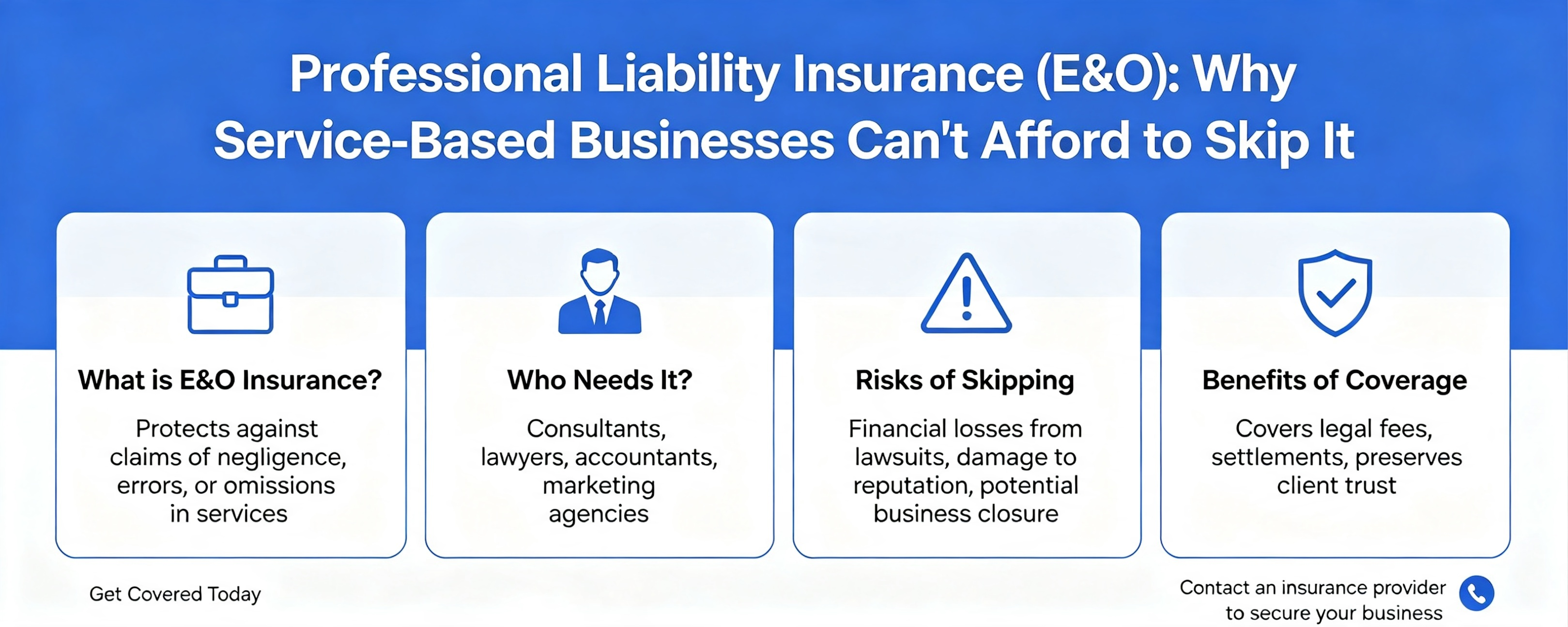
- Professional liability insurance
- Business interruption insurance
The right combination of policies depends on the company's industry, size, location, and specific risks.
Why Small Businesses Need Insurance
Many entrepreneurs believe insurance is only necessary for large corporations. However, small businesses often face even greater risks because they usually have fewer financial resources available to handle unexpected expenses.
A single lawsuit could cost tens of thousands of dollars in legal fees. A fire could destroy inventory and equipment. A cyberattack could expose customer information and damage the company's reputation.
Insurance helps transfer these risks from the business owner to an insurance provider, allowing the company to recover faster after a damaging event.
For many entrepreneurs, business insurance is not just an expense — it is an investment in long-term stability.
Essential Types of Small Business Insurance
General Liability Insurance
General liability insurance is one of the most common forms of business protection.
It covers claims related to:
- Customer injuries
- Property damage
- Advertising injuries
- Legal defense expenses
For example, if a customer slips and falls inside your store, general liability insurance can help cover medical expenses and legal costs.
Almost every business that interacts with customers should consider this coverage.
Commercial Property Insurance
Commercial property insurance protects the physical assets of your business.
Coverage may include:
- Buildings
- Equipment
- Furniture
- Inventory
- Computers
- Tools
- Business supplies
It can help repair or replace damaged property after events such as fire, theft, vandalism, or certain weather-related incidents.
Business Owner's Policy (BOP)
A Business Owner's Policy combines multiple coverages into one package.
Most BOP policies include:
- General liability insurance
- Commercial property insurance
- Business interruption coverage
This type of policy is popular among small businesses because it provides broad protection at a lower cost compared with purchasing separate policies.
Workers' Compensation Insurance
Businesses with employees may need workers' compensation insurance depending on state requirements.
This coverage helps pay for:
- Medical expenses
- Rehabilitation
- Lost wages
- Disability benefits
It protects employees while also helping employers manage the financial impact of workplace injuries.
Cyber Liability Insurance
Technology has created new risks for modern businesses.
Cyber liability insurance helps protect companies from:
- Data breaches
- Ransomware attacks
- Hacking incidents
- Customer information theft
- Cyber-related lawsuits
This coverage is especially important for businesses that store customer data or rely heavily on online systems.
How Much Does Small Business Insurance Cost?
The cost of small business insurance depends on many factors.
Some businesses may pay only a few hundred dollars annually, while others may spend several thousand dollars depending on their risk exposure.
Insurance companies consider factors such as:
- Industry type
- Business location
- Number of employees
- Annual revenue
- Coverage limits
- Claims history
- Equipment value
- Business operations
For example, a home-based consultant typically has lower insurance costs than a construction company because the level of risk is significantly different.
Factors That Affect Business Insurance Premiums
Industry Risk
Certain industries have higher chances of accidents and claims.
Construction, transportation, and manufacturing businesses generally pay more than office-based companies.
Business Size
Larger companies with more employees, customers, and assets usually require higher coverage limits.
Location
Insurance costs vary depending on local factors such as crime rates, weather risks, and legal environments.
Claims History
Businesses with previous insurance claims may receive higher premiums because insurers consider them higher risk.
Coverage Limits
Higher limits provide greater protection but usually increase premium costs.
How to Choose the Best Small Business Insurance Company
Selecting an insurance provider requires more than comparing prices.
Business owners should consider:
Coverage Options
Choose a company that offers policies suitable for your specific industry.
Financial Strength
A financially stable insurer is more likely to handle large claims effectively.
Customer Service
Responsive support can make the claims process easier during stressful situations.
Industry Experience
Some insurers specialize in specific industries and understand their unique challenges.
Pricing
Compare multiple quotes to find competitive rates without sacrificing protection.
Tips to Lower Small Business Insurance Costs
Business owners can reduce insurance expenses by:
- Comparing multiple insurance providers
- Bundling policies together
- Maintaining workplace safety programs
- Installing security systems
- Training employees properly
- Choosing appropriate deductibles
- Reviewing policies annually
Reducing risks inside the business often leads to better insurance rates over time.
Common Mistakes When Buying Business Insurance
Many entrepreneurs make mistakes when purchasing coverage.
One common mistake is choosing the cheapest policy without reviewing exclusions. A low-cost policy may provide insufficient protection when a serious claim occurs.
Another mistake is failing to update coverage as the company grows. Adding employees, purchasing equipment, or expanding services can create new risks that require additional protection.
Business owners should regularly review their insurance needs to ensure their policies match their current operations.
Frequently Asked Questions
Is small business insurance required?
Some types of insurance, such as workers' compensation, may be legally required depending on location and business structure. Other policies are optional but highly recommended.
How much coverage does a small business need?
Coverage needs depend on industry, assets, revenue, and potential risks. Many businesses choose liability limits of $1 million or more.
Can a home-based business get insurance?
Yes. Many home-based businesses purchase specialized coverage because homeowner policies often provide limited protection for business activities.
Can small businesses get affordable insurance?
Yes. Comparing providers and choosing suitable coverage levels can help businesses find affordable insurance solutions.
The Bottom Line
Small business insurance is a fundamental part of protecting your company's future. Unexpected events can happen at any time, and without proper coverage, one accident or lawsuit could threaten years of hard work. By choosing the right combination of insurance policies, comparing reputable providers, and reviewing coverage regularly, business owners can protect their assets, employees, and customers while creating a stronger foundation for long-term success.
Comentarios (0)
Sé el primero en comentar.